
An air source heat pump is one of the most efficient ways to heat a home, but it is not a fit-and-forget appliance. Like a car or a boiler, it works best when it is looked after. The difference with a heat pump is that neglect rarely causes a sudden breakdown. Instead, performance slips gradually, your electricity bills creep up, and small faults grow into expensive ones.
If you already own a heat pump and have searched for air source heat pump servicing near me, this guide is for you. Below is a practical checklist of what you can safely do yourself, what should always be left to a qualified engineer, and how a regular heat pump maintenance service protects your investment. At North Bristol Cooling & Heating Ltd, we service and repair heat pumps across Bristol and the South West through our heat pump service team, so everything here reflects what we see in real homes.
Why Heat Pump Maintenance Matters
A well-maintained system can deliver three to four units of heat for every unit of electricity it uses. That ratio is the whole point of a heat pump, and it is the first thing to suffer when a unit is neglected.
Regular maintenance helps you to:
Protect heat pump efficiency and keep running costs down
Spot small faults before they turn into major heat pump repair bills
Extend the lifespan of the compressor, fan and other major components
Keep your warranty valid, since many manufacturers require annual servicing
Avoid breakdowns in the coldest weeks, when engineers are busiest
If you are still weighing up whether a heat pump suits your property, our guide on heat pump value covers costs, savings and grants.
The Homeowner Checklist: What You Can Do Yourself
These checks take a few minutes and need no tools or technical knowledge. Always switch the unit off at the isolator before you get close to the outdoor unit, and never remove panels or touch internal components.
1. Keep the outdoor unit clear
The outdoor unit needs to pull in plenty of air. Check monthly that nothing is blocking it.
Remove leaves, grass clippings, twigs and debris from around the unit
Keep plants and shrubs trimmed back, ideally with at least a metre of clear space
Never stack bins, bikes or garden furniture against the unit
Check that the grille and fan guard are intact and not bent or damaged
2. Check the airflow and fins
Gently inspect the metal fins on the back and sides of the outdoor unit. If they are clogged with dirt or pollen, airflow drops and the system has to work harder. A soft brush or a gentle rinse with a garden hose (unit switched off) can remove surface dirt. Avoid pressure washers, which can bend the fins.
3. Look after the condensate drain
Heat pumps produce condensate as part of normal operation, and it needs somewhere to go. Make sure the drain or condensate pipe is clear and not blocked by leaves or ice, as a blocked drain can cause water pooling and ice build-up around the base of the unit.
4. Check indoor filters and vents
If your system has indoor units or accessible filters, clean them according to the manufacturer’s guidance, usually every one to three months. Dirty filters restrict airflow and reduce efficiency. Also make sure radiators, vents and indoor units are not blocked by furniture or curtains. For wider airflow and indoor air quality concerns, our ventilation can help.
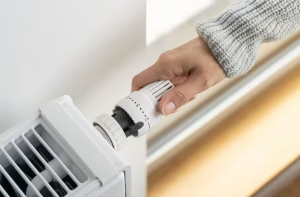
5. Watch your radiators and underfloor heating
If some rooms are not warming up properly, or radiators feel cold at the top, that may point to air or sludge in the system. Our post on cold rooms explains the common causes, and many of them apply to heat pump systems too.
6. Monitor your controls and energy use
Keep an eye on thermostat settings and your electricity usage. Heat pumps work best on steady, lower temperature settings rather than being switched on and off. A sudden rise in bills with no change in weather or habits is often the first sign of an efficiency problem.
7. Listen and look for warning signs
Take note of anything unusual and mention it to your engineer:
Rattling, grinding, banging or louder than normal fan noise
Ice that does not clear after a defrost cycle
Error codes or warning lights on the display
The system running constantly but struggling to reach temperature
Unexplained leaks around the unit or pipework
If you notice any of these, switch the system off and book a professional visit rather than waiting.
What Only a Qualified Engineer Should Check
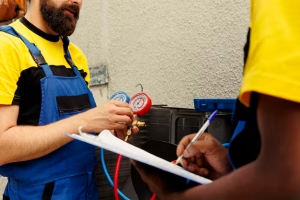
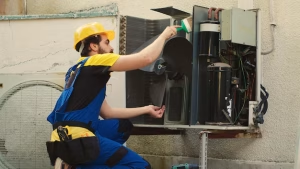
Some jobs are not suitable for DIY, either for safety reasons or because they need specialist tools and training. A professional heat pump maintenance service typically includes:
Refrigerant checks: Testing pressures and looking for leaks. Low refrigerant reduces output and can damage the compressor, and handling it legally requires certification.
Electrical safety checks: Inspecting connections, isolators, wiring and fuses for wear or loose terminals.
Compressor and fan motor testing: Checking that major components are running within their expected parameters.
Heat exchanger and coil cleaning: A proper clean removes build-up that household brushing cannot reach.
Controls and sensor calibration: Making sure thermostats, sensors and weather compensation settings are accurate.
Hot water cylinder and immersion checks: Where a cylinder is fitted, checking that it is heating correctly. Our hot water systems service covers cylinder servicing and safety.
Performance review: Comparing how the system is running against its expected efficiency, then adjusting flow temperatures or settings where needed.
This is the part of the job that protects efficiency and warranties, and it is where a trained engineer earns their keep.
Seasonal Heat Pump Servicing: A Year-Round Plan
The best approach to seasonal heat pump servicing is a simple routine through the year, with one full professional service as the anchor.
Autumn: get ready for peak demand
This is the ideal time for your annual professional service, before the system works its hardest. Clear fallen leaves from the outdoor unit, check your filters, and test that your heating and hot water behave as expected. Booking in autumn also means you get the pick of appointment slots before the winter rush.
Winter: keep an eye on frost and ice
Check the outdoor unit after cold, wet or freezing spells. Some frost is normal, and the unit will run defrost cycles, but heavy ice that does not clear needs attention. Keep the condensate drain clear and make sure snow is not piling up against the unit.
Spring: check recovery after winter
After a hard season of use, take a look at the outdoor unit for debris, damage or signs of wear. Spring is also a good time to review your energy bills and compare them against last winter.
Summer: clean and prepare
If your system provides cooling, or you simply want to stay ahead, summer is the time for a thorough clean of the fins and surrounding area. Clear away vegetation that has grown during the warmer months, and note any minor issues to raise at your next service. If your home also has air conditioning, our air conditioning service covers that side of your comfort.
How Often Should a Heat Pump Be Serviced?
For most homes, once a year is the standard recommendation, and it is what most manufacturers require to keep a warranty valid. Systems in dusty, leafy or coastal locations, or those working hard in larger properties, may benefit from extra checks. Your installer can advise based on the make, model and location of your unit.
The Real Cost of Skipping Servicing
It is tempting to skip a service when everything seems to be working fine. In practice, here is what tends to happen:
Efficiency drops quietly, so you pay more for the same heat
Minor issues like a slow refrigerant leak go unnoticed until the compressor is damaged
A fault in the depths of winter can leave you without heating while you wait for a part
Warranty claims may be refused if there is no service history
In almost every case, catching a problem early is cheaper than fixing it after a failure. The same principle applies to cooling systems, as we explain in our comparison of service versus repair.
Why a Professional Servicing Plan Makes Sense
Remembering to book a service, finding an available engineer, and paying for call-outs as they come up can all become a hassle. A planned renewable heating maintenance agreement takes the stress out of it.
A servicing plan with North Bristol Cooling & Heating can give you:
Scheduled annual visits so your service is never forgotten
A full service record to support warranty claims and future resale
Priority booking when the weather turns and demand rises
Early fault detection so small problems are fixed before they grow
Peace of mind from a local, accredited team who already know your system
[Edit before publishing: add your plan names, what each includes, pricing or “from” prices, response times and any accreditations such as MCS or F-Gas registration.]
What Happens During a Visit From Our Team
When you book air source heat pump servicing with us in Bristol, you can expect:
A quick conversation about how the system has been performing and any concerns you have
A visual inspection of both the indoor and outdoor components
Cleaning, safety testing and performance checks
Adjustments to controls where needed to improve efficiency
A clear summary of what we found and any recommended work, with no pressure and no surprises
You can see how we work on our Why Choose Us page, and read what customers say in our testimonials.
When to Call Us Straight Away
Do not wait for your annual service if you notice:
No heating or hot water
Persistent error codes
Loud or unusual noises
Significant ice that will not clear
Water leaking from the unit or indoor pipework
Our team handles heat pump repair across Bristol, and you can browse everything we offer on our services page.
If an older system keeps failing, our guide to upgrade signs can help you decide whether to repair or replace.
If your home also runs a gas central heating system, our gas central heating service covers that side of things.
And if you are still weighing up a move away from an ageing boiler, our gas boiler install service is a dependable option while you plan for renewable heating.
Final Thoughts
A heat pump rewards the homeowner who looks after it. A few simple monthly checks, a seasonal routine and one professional service each year are usually all it takes to keep your system efficient, reliable and under warranty. If you are searching for air source heat pump servicing near me, North Bristol Cooling & Heating Ltd is here to help, from one-off services to ongoing maintenance plans.
Ready to book your heat pump service? Call us on 0117 363 4009 or get in touch to arrange a visit or ask about our servicing plans.
Frequently Asked Questions
Once a year is the standard recommendation, and it is usually required to keep the manufacturer’s warranty valid.
You can keep the outdoor unit clear and clean accessible filters, but refrigerant, electrical and internal checks must be carried out by a qualified engineer.
Typically refrigerant and pressure checks, electrical safety checks, coil and fan inspection, controls calibration, and a performance review.
Yes. Clean coils, correct refrigerant levels and well-set controls help the system produce more heat for each unit of electricity used.
Autumn is ideal, as it prepares the system for winter and gives you a wider choice of appointments..