
A central heating system not heating every room is usually caused by trapped air, sludge build-up, unbalanced radiators, stuck valves or low pressure. Bleeding radiators can help, but persistent cold spots need a professional. A regular central heating service from North Bristol Cooling & Heating finds these faults early and keeps your system safe and efficient.
Few things are more frustrating than a house where the living room is warm, the bedroom is freezing and one radiator stays stubbornly cold. It is a common problem, and it is rarely random. Each pattern of cold spots points to a specific cause, and many are cheap to fix when caught early. This guide explains the most common reasons rooms do not heat properly, what you can safely check yourself and why regular care from a heating engineer matters. If you need expert help, our central heating installation and maintenance team works with homeowners and landlords across Bristol.
Why Is My Central Heating Not Heating Every Room?
Hot water from your boiler has to travel through pipes to every radiator, return to the boiler and repeat. Anything that blocks, slows or redirects that flow leaves some rooms colder than others. The usual suspects are trapped air, sludge, poor balancing, faulty valves, a weak pump or the wrong system pressure.
Work out where the cold is, because the pattern is a useful clue. The sections below cover each cause and the symptoms that go with it.
Common Causes of Cold Radiators and Cold Rooms
1. Trapped Air in the System
Air collects at the top of a radiator and stops hot water filling it. The typical sign is a radiator that is hot at the bottom but cold at the top. You may also hear gurgling or bubbling. Bleeding the radiator releases the air and usually fixes the problem within minutes.
2. Sludge and Magnetite Build-Up
Over time, rust inside the system breaks down into a black sludge that settles in radiators and pipes. A radiator that is hot at the top but cold at the bottom, or has cold patches in the middle, often has sludge. Sludge restricts flow, forces the boiler to work harder and can damage components. This is one of the most common reasons older systems heat unevenly, and it usually needs a professional cleaning or flush.
3. Unbalanced Radiators
Hot water takes the easiest route, so radiators closest to the boiler often get hot first while those further away stay lukewarm. Balancing adjusts the valves so each radiator gets its fair share of flow. It is a precise job, and a good engineer will do it as part of a service or a heating system inspection.
4. Stuck or Faulty Radiator Valves
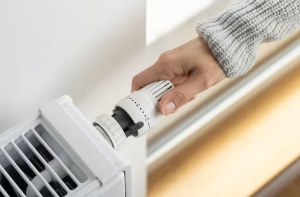
Thermostatic radiator valves, or TRVs, have a small pin that can stick, especially after summer. A stuck valve can keep a radiator cold even when the system is working perfectly. If a single radiator is cold at both top and bottom, a faulty valve is a likely cause.
5. A Weak Circulator Pump
The pump pushes hot water around the system. If it is worn or failing, water moves too slowly to reach the furthest radiators. Signs include radiators far from the boiler staying cold, a noisy pump or a boiler that overheats and shuts down.
6. Low System Pressure
Sealed systems need a certain pressure to circulate water properly. Most boilers should sit at around 1 to 1.5 bar when cold, though you should check your manual. If the gauge reads low, you may have a leak, and repeated pressure loss needs an engineer to investigate.
7. Thermostat, Zone Valve or Control Problems
If whole sections of the house stay cold, the problem may be in the controls. A faulty room thermostat, a stuck zone valve or a programmer fault can stop hot water reaching certain areas.
8. Pipework or Radiator Size Issues
In extensions, loft conversions and older homes, pipework may be undersized or radiators too small for the room. These problems usually show up as a room that never gets warm, even when everything else works.
What Can You Safely Check Yourself?
Some simple checks are safe and sometimes enough to fix the issue:
Feel each radiator: Note whether it is cold at the top, bottom, middle or all over
Bleed radiators: Use a radiator key to release trapped air, then check the boiler pressure
Check boiler pressure: If it is low, follow your manufacturer’s instructions to top it up
Check TRV settings: Make sure each valve is turned on and not stuck
Review your thermostat and programmer: Confirm times and temperatures
Look for leaks: Check pipes, valves and the floor under radiators
Do not open the boiler casing, adjust gas components or work on flues. Gas work must be done by a Gas Safe registered engineer, and mistakes can be dangerous.
When Should You Call a Heating Engineer in Bristol?
Call a professional if:
Bleeding does not fix the cold radiators
You suspect sludge, pump failure or a leak
Boiler pressure keeps dropping
The boiler makes unusual noises, shuts down or shows fault codes
Several radiators are cold at once
You notice any signs of a gas or carbon monoxide problem
A heating engineer Bristol homeowners trust will diagnose the cause properly rather than guess, and explain your options clearly.
How Often Should You Have a Central Heating Service?
Most boiler and heating manufacturers recommend a service every 12 months. It is not a legal requirement for owner-occupiers, but it is the best way to keep your system safe, efficient and reliable, and it often keeps your warranty valid. Autumn is the ideal time, before the cold weather puts your system under heavy demand.
Landlords have a legal duty to arrange an annual gas safety check by a Gas Safe registered engineer and to give tenants a copy of the record. A service goes further than the safety check, so many landlords book both together.
What Does a Central Heating Service Include?
A typical service goes well beyond a quick look. Depending on your system, an engineer will usually:
Inspect the boiler and check it is operating safely
Check the flue and ventilation
Test safety devices and controls
Inspect burners, heat exchanger and seals where accessible
Check system pressure and look for leaks
Check radiators, valves and pipework for faults, including radiator servicing where needed
Test thermostats and programmers
Report any problems and recommend repairs
A good central heating service gives you a clear report, so you know what was checked and what, if anything, needs attention.
How Regular Servicing Improves Efficiency
A system that is dirty or out of balance burns more fuel to deliver the same warmth. Sludge forces the boiler to work harder, worn parts lose performance and poorly adjusted controls waste energy. Central heating maintenance cleans, adjusts and checks the parts that affect efficiency, which can help you get more heat from every unit of gas and keep your bills under control.
Efficiency also affects the planet. A well-maintained system uses less energy, which helps cut your household emissions. If your system is old and inefficient, replacement may be worth considering, and our gas boiler installation service can advise on options.
How Regular Servicing Improves Safety
Safety is the most important reason to service your system. Faulty gas appliances can produce carbon monoxide, a poisonous gas you cannot see, smell or taste. Servicing checks for the conditions that cause leaks, including flue problems, poor combustion and blocked ventilation.
Warning signs of a possible problem include:
Yellow or orange boiler flames instead of crisp blue ones
Black marks or soot around the boiler
A pilot light that keeps going out
Excess condensation on windows
Headaches, dizziness or nausea that improve when you leave the house
Fit a carbon monoxide alarm in your home. If you suspect a leak, turn off the appliance, open windows, leave the property and call the National Gas Emergency Service on 0800 111 999. Landlords should also check the current rules on smoke and carbon monoxide alarms in rental properties.
Good airflow matters too. If your home often feels stuffy or damp, this guide to the signs of poor indoor air quality explains when ventilation may need attention.
How Regular Servicing Improves Reliability
Boilers rarely break down at convenient times. They tend to fail on the coldest night of the year, when every engineer is busy. Servicing catches worn parts, early leaks and failing components before they stop the system. It also helps your boiler last longer, because small issues are fixed before they cause bigger damage.
For landlords, reliability means fewer emergency call-outs, happier tenants and fewer complaints. For homeowners, it means a warm home and no unpleasant surprises.
Repair, Upgrade or Replace?
If your system is repeatedly failing, very old or costing more to run each year, you may be better off upgrading than repairing. Options include a new high-efficiency boiler or a low-carbon alternative such as a heat pump. North Bristol Cooling & Heating offers a heat pump installation service for customers who want to look at lower-carbon heating. A heating system inspection will show whether repair or replacement makes more sense.
How to Choose a Heating Engineer
When choosing someone to service your system, look for:
A Gas Safe registered engineer for any gas work, and check their ID card and the Gas Safe Register
Experience with your type of system
Clear, upfront pricing
A written report after the visit
Good local feedback
You can read our Google reviews to see how Bristol customers describe their experience.
Book Your Central Heating Service
Do not wait for the first cold snap to find out your heating has a problem. A service now can fix cold rooms, improve efficiency and give you confidence that your system is safe. North Bristol Cooling & Heating serves homeowners and landlords across Bristol and the South West. To book a central heating service, fill in the contact form and the team will call you back within the same working day, or call 0117 363 4009.
Frequently Asked Questions
Common causes are trapped air, sludge, unbalanced flow, a stuck valve or a weak pump. The pattern of cold spots helps identify it.
It likely has trapped air. Bleed it with a radiator key, then check your boiler pressure and top it up if needed.
Once a year, ideally in autumn. Landlords must arrange an annual gas safety check by a Gas Safe registered engineer.
It can. A clean, well-adjusted system uses fuel more efficiently, and early repairs help avoid costly breakdowns.
Turn off the appliance, open windows, leave the property and call the National Gas Emergency Service on 0800 111 999.