
A central heating system rarely fails without warning. Most breakdowns build up slowly a struggling pump, a build-up of sludge, a thermostat drifting out of calibration until one cold morning the system simply won’t fire up. An annual visit from a qualified central heating engineer catches these problems while they’re still cheap to fix, which is exactly why regular servicing tends to save homeowners and landlords far more than it costs. At North Bristol Cooling & Heating, we see this play out with almost every emergency call-out we attend, which is exactly why this guide walks through what a service actually involves, how it protects efficiency, safety, and reliability, and why skipping it tends to cost far more in the long run.
What Happens During a Central Heating Service
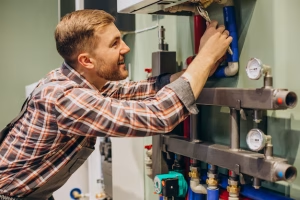
A proper central heating service goes well beyond a quick look at the boiler. A qualified engineer works through the whole system methodically, checking components that are easy to overlook until something goes wrong with them.
A typical central heating service usually includes:
A full boiler inspection, including internal components and casing
A check of gas pressure and flow to confirm safe, efficient operation
Flue testing to make sure fumes are venting correctly
A carbon monoxide safety check
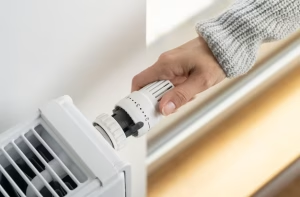
Radiator servicing, including bleeding trapped air and checking for cold spots
A check of the system’s water pressure and expansion vessel
Testing the thermostat and any timer or smart controls
A visual inspection of pipework for leaks, corrosion, or wear
Every one of these checks is a chance to catch a small fault before it turns into an expensive one. If you’d like a broader view of what routine maintenance should cover across a full heating and cooling setup, our HVAC Maintenance Checklist goes into more detail.
How Servicing Improves Efficiency
A heating system that hasn’t been serviced tends to lose efficiency gradually, which shows up as higher bills long before it shows up as a breakdown. Small issues compound over time, and a system working harder than it needs to is rarely obvious until the energy bill arrives.
Common efficiency issues a service picks up include:
Sludge build-up inside radiators, which blocks heat from circulating properly
A dirty heat exchanger, forcing the boiler to burn more fuel for the same output
An unbalanced system, where some rooms heat unevenly compared to others
Trapped air in radiators, reducing their effective heating surface
A thermostat that’s drifted out of calibration, causing the boiler to run longer than necessary
Routine central heating maintenance keeps every part of the system working as it was designed to, which is often the difference between a boiler running at its rated efficiency and one quietly wasting money every single month. The same principle applies beyond gas boilers too if you’re weighing up whether to stick with your current setup or move to something more efficient long-term, our Heat Pump Installation Service is worth a look.
How Servicing Protects Safety
Safety is the part of servicing that’s easiest to overlook, because the risks aren’t visible day to day. A cracked heat exchanger or a blocked flue can allow carbon monoxide to build up without any obvious sign until it’s serious.
During a heating system inspection, an engineer will typically:
Test for carbon monoxide leaks using calibrated equipment
Check the flue and ventilation for blockages or damage
Inspect the heat exchanger for cracks or corrosion
Confirm the boiler is burning gas cleanly, without excess soot or discolouration
Check that any gas connections are secure and free from leaks
An annual inspection gives homeowners and landlords a documented, professional confirmation that the system is safe to run through another winter, rather than an assumption based on the fact that nothing has gone wrong yet.
How Servicing Improves Reliability
Nothing tests a heating system like the first genuinely cold week of the year, which is usually when neglected systems fail. Reliability isn’t just about avoiding inconvenience a mid-winter breakdown often means an emergency call-out fee on top of the repair itself, and a wait for parts or an available engineer.
Regular servicing improves reliability by:
Catching worn valves and failing pumps before they stop working entirely
Identifying pressure issues that could otherwise cause sudden shutdowns
Flagging parts nearing the end of their working life, so replacement can be planned rather than urgent
Keeping the whole system balanced, reducing strain on any single component
Creating a maintenance record that helps diagnose future issues faster
A system that’s serviced every year is simply far less likely to leave you without heating on the coldest day of the year.
What an Unserviced System Actually Costs
The maths behind annual servicing is straightforward once it’s laid out. A service typically costs a fraction of what a single emergency repair does, and far less than replacing a boiler that’s failed prematurely through neglect.
A few examples of how costs escalate without regular servicing:
A minor pump fault caught early might cost very little to fix; left unchecked, it can fail completely and take other components with it
A blocked flue found during a routine check is a straightforward fix; discovered during a breakdown, it can mean an emergency call-out on top of the repair
Sludge build-up dealt with early is a quick flush; left for years, it can damage the heat exchanger and shorten the boiler’s entire lifespan
A small leak spotted during an inspection is a simple repair; left unnoticed, it can cause water damage that costs far more than the original fault
Corroded parts, worn pumps, and pressure faults tend to cascade one small fault left unchecked puts strain on the next component, and repair bills climb accordingly. Homeowners who skip servicing for a few years in a row are usually the ones facing the largest bills when something finally gives out.
It’s also worth factoring in the cost of being without heating altogether. An emergency breakdown in winter often means several days without hot water or working radiators while parts are ordered and an engineer is scheduled, on top of whatever the repair itself costs. Annual servicing is largely about avoiding that situation altogether, rather than just saving money on paper.
Why This Matters More for Landlords
Landlords carry a legal responsibility that homeowners don’t: gas appliances in a rented property must be checked annually by a registered engineer, with a valid safety record kept on file.
For landlords specifically, annual servicing:
Satisfies the legal requirement for an annual gas safety check
Reduces the risk of mid-tenancy emergency repairs and the disputes that often follow
Protects tenants from safety risks the landlord is legally responsible for
Extends the working life of the system, reducing the cost of ownership over time
Provides documented proof of maintenance if a dispute or insurance claim ever arises
Beyond the legal requirement, a well-maintained system means fewer emergency call-outs and fewer disputes with tenants over cold radiators. Our Gas Central Heating Installation and Maintenance service covers exactly this kind of ongoing care for both owner-occupied and rented properties.
Landlords in particular tend to value hearing from other property owners before booking a new engineer, and our Testimonials page has a good selection of feedback from customers who’ve had ongoing servicing carried out on rented properties.
Signs Your System Needs an Inspection Sooner
A few warning signs are worth acting on rather than waiting for the annual service date. Catching these early is often the difference between a simple fix and a full breakdown.
Book an inspection sooner if you notice:
Radiators that stay cold at the top while warm at the bottom
A boiler that takes noticeably longer to reach temperature
Unusual banging, gurgling, or whistling noises from the pipework
A pilot light burning yellow or orange instead of blue
A sudden, unexplained rise in your heating bills
The boiler losing pressure repeatedly, even after topping up
Left unaddressed, these small signals are often the early stages of the same faults that end up as costly repairs later.
Choosing the Right Heating Engineer
Not every service is equal, and the qualifications of the engineer carrying it out matter as much as the checklist they follow. It’s worth knowing what to look for before booking anyone to work on your system.
A reliable engineer should be able to offer:
Gas Safe registration, which is a legal requirement for anyone working on gas appliances
A clear, itemised explanation of what was checked during the visit
Honest advice on developing issues, rather than upselling unnecessary work
Local experience with the types of systems common in older and newer Bristol homes
A proper safety record or certificate you can keep on file
A Gas Safe registered heating engineer Bristol homeowners can rely on will document every check, flag developing issues honestly, and explain what, if anything, needs attention before it becomes urgent. If your boiler itself is nearing the end of its working life rather than just needing a service, it’s worth discussing options through our Gas Boiler Install page before committing to further repairs.
How Often Should Servicing Happen
Once a year is the standard recommendation for most residential systems, ideally scheduled before the colder months when the boiler and radiators are put under the most strain.
A few general guidelines worth following:
Homeowners: service annually, ideally in late summer or early autumn
Landlords: service annually as a legal minimum, with records kept for each property
Older systems (10+ years): consider servicing more frequently to catch age-related wear
New installations: a first service within the first year, even under warranty
Even owner-occupiers who service every other year tend to see far more repair costs over the system’s lifetime than those who stick to a strict annual visit.
Book Your Central Heating Service
If it’s been over a year since your last service, or you’re not sure when your system was last checked, it’s worth getting ahead of the colder months rather than waiting for a breakdown. You can see our full range of heating support on Our Services.
To find out more about how we work and why homeowners and landlords across the area choose us, take a look at Why Choose Us.
To book a visit or ask a question, our team is easy to reach through Contact Us.
Frequently Asked Questions
A service is usually far cheaper than an emergency repair, which can run into hundreds of pounds.
Radiators should be checked annually, alongside the boiler, to catch cold spots and trapped air early.
Yes, landlords must have gas appliances checked annually by a Gas Safe registered engineer.
Small faults go unnoticed and worsen over time, often leading to costlier repairs or breakdowns.
Yes, a well-serviced system runs more efficiently, which typically reduces heating costs over time.