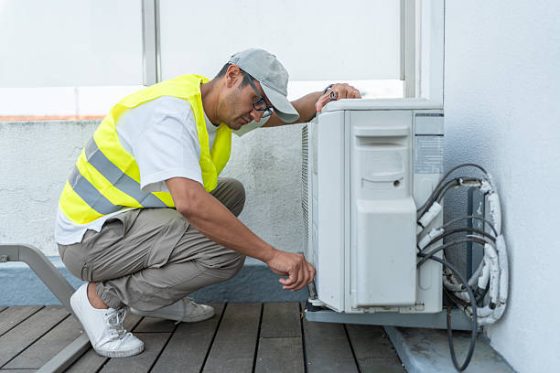
Heating and cooling systems play an important role in maintaining comfortable indoor environments throughout the year. Whether during cold winters or warmer months, these systems help regulate indoor temperatures and support healthy airflow in residential and commercial spaces.
Regular maintenance helps ensure heating and cooling systems operate efficiently and reliably. Homeowners who understand basic maintenance steps can improve performance and reduce the risk of unexpected system issues. North Bristol Cooling & Heating LTD help property owners maintain dependable heating and cooling solutions through proper installation, servicing, and routine maintenance.
Proper care of heating and cooling systems helps maintain comfort, improve energy efficiency, and support long term system performance.
Understanding Heating and Cooling Systems
Heating and cooling systems consist of several components that work together to regulate indoor temperature and airflow. These systems operate through coordinated processes that distribute warm or cool air throughout a building.
Understanding how these systems function helps homeowners recognize the importance of routine inspection and maintenance.
Main Components of Heating and Cooling Systems
Heating and cooling systems contain multiple parts that perform specific roles in temperature control and airflow management. Each component contributes to the overall performance of the system.
Common components found in heating and cooling systems include:
- Thermostat for temperature control
- Air filters that capture dust and particles
- Indoor units that circulate conditioned air
- Outdoor units that release or collect heat
- Ductwork that distributes air throughout the building
When these components work properly together, the system can maintain stable indoor temperatures efficiently.
How HVAC Systems Maintain Indoor Comfort
Heating and cooling systems maintain indoor comfort by controlling temperature, humidity, and airflow. The thermostat communicates with the system to activate heating or cooling when the indoor temperature changes.
Air moves through filters, coils, and ducts before circulating throughout the building. This process helps maintain a balanced indoor environment while supporting consistent comfort in different rooms.
Why Regular HVAC Maintenance Is Important
Routine maintenance plays a vital role in keeping heating and cooling systems functioning properly. Without regular care, system components can accumulate dust, wear down over time, and operate less efficiently.
Maintaining heating and cooling systems helps ensure consistent performance and prevents avoidable operational problems.
Improving Energy Efficiency
A well-maintained heating and cooling system operates more efficiently because its components remain clean and functional. When filters, coils, and vents are clear, the system does not need to work as hard to maintain the desired temperature.
Improved efficiency can help reduce energy consumption and support smoother system performance.
Extending System Lifespan
Heating and cooling systems represent a long-term investment for property owners. Routine maintenance helps extend the operational life of the system by ensuring components remain in good working condition.
Addressing small issues early helps prevent them from becoming larger mechanical problems.
Preventing Unexpected Breakdowns
Unexpected system failures often occur when maintenance tasks are neglected. Regular inspections help identify worn parts, airflow restrictions, or mechanical issues before they affect system performance.
Benefits of routine HVAC maintenance include:
- Improved system efficiency
- More consistent indoor temperatures
- Reduced wear on system components
- Lower risk of unexpected breakdowns
- Better indoor air circulation
These advantages highlight why maintenance should be part of every homeowner’s routine system care plan.
Essential HVAC Maintenance Checklist for Homeowners
A practical HVAC maintenance checklist helps homeowners keep heating and cooling systems operating efficiently throughout the year. Many maintenance tasks are simple and can be performed regularly to support system performance.
Consistent attention to these tasks helps reduce strain on the system and maintain stable airflow and temperature control.
Checking and Replacing Air Filters
Air filters play a critical role in maintaining indoor air quality and system efficiency. When filters become clogged with dust or debris, airflow becomes restricted and the system must work harder.
Homeowners should check filters regularly and replace them when they appear dirty or obstructed.
Cleaning Vents and Air Ducts
Vents and air ducts distribute heated or cooled air throughout the property. Dust and debris can accumulate around vents, which may reduce airflow and affect overall system efficiency.
Cleaning vents and ensuring they remain unobstructed supports proper air circulation.
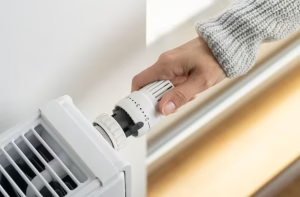
Inspecting Thermostats and Controls
Thermostats control when heating and cooling systems activate. If the thermostat is not functioning correctly, indoor temperatures may fluctuate or the system may operate unnecessarily.
Regular inspection helps confirm that thermostat settings are accurate and responsive.
Checking Outdoor Units and Components
Outdoor HVAC units require regular inspection to ensure they remain free from debris, leaves, or obstructions. Clear airflow around outdoor components helps maintain system efficiency.
Ensuring the surrounding area remains clean helps prevent performance issues.
Ensuring Proper Airflow Throughout the Home
Proper airflow allows heating and cooling systems to distribute air evenly throughout the property. Blocked vents or restricted airflow can cause uneven temperatures and strain on the system.
Homeowner maintenance tasks may include:
- Inspecting air filters regularly
- Cleaning vents and grilles
- Checking thermostat functionality
- Keeping outdoor units clear of debris
- Ensuring vents remain unobstructed
Following this checklist helps support reliable system performance.
Seasonal Maintenance for Heating and Cooling Systems
Seasonal preparation helps ensure heating and cooling systems perform efficiently during periods of heavy use. Preparing systems before extreme weather conditions helps prevent unexpected issues.
Seasonal maintenance also helps identify potential problems early.
Preparing Your Heating System for Winter
Before colder months begin, homeowners should ensure the heating system is ready to operate consistently. Proper preparation helps maintain indoor comfort during winter.
Routine inspection can help confirm that system components are functioning properly.
Preparing Your Cooling System for Summer
Cooling systems should also be prepared before warmer temperatures arrive. Ensuring the system is clean and functioning properly helps maintain consistent cooling performance.
Seasonal maintenance tasks may include:
- Inspecting air filters before seasonal use
- Checking vents and airflow paths
- Cleaning outdoor HVAC units
- Testing thermostat settings
- Ensuring clear airflow around equipment
These steps help systems operate smoothly during high demand periods.
Signs Your HVAC System Needs Maintenance
Heating and cooling systems often display warning signs when maintenance is required. Recognizing these signs early helps prevent larger system problems.
Regular observation helps homeowners identify changes in system performance.
Unusual Noises or Reduced Airflow
Strange sounds or reduced airflow may indicate that system components require inspection. These issues can result from blocked filters, loose components, or airflow restrictions.
Addressing unusual changes early helps maintain reliable system performance.
Inconsistent Indoor Temperatures
If certain rooms feel warmer or cooler than others, the system may not be distributing air evenly. Uneven temperatures can signal airflow problems or thermostat issues.
Routine inspection helps identify the cause of these inconsistencies.
Increased Energy Usage
A sudden increase in energy usage may indicate that the heating and cooling system is working harder than usual. This often happens when components become dirty or inefficient.
Common warning signs include:
- Reduced airflow from vents
- Strange sounds during operation
- Uneven temperatures between rooms
- Increased energy consumption
- System running longer than usual
Recognizing these signs helps homeowners address maintenance needs quickly.
Practical Tips to Improve HVAC Efficiency
Improving HVAC efficiency involves a combination of routine maintenance and thoughtful system management. Small adjustments can help heating and cooling systems operate more effectively.
Consistent care helps maintain stable temperatures while supporting reliable performance.
Maintaining Proper Insulation
Insulation helps retain heated or cooled air inside the building. When insulation is effective, heating and cooling systems do not need to operate as frequently.
This contributes to better energy efficiency and improved comfort.
Using Smart Thermostats Effectively
Smart thermostats allow homeowners to manage temperature settings more precisely. Scheduled temperature adjustments help reduce unnecessary system operation.
This approach supports energy efficiency and system longevity.
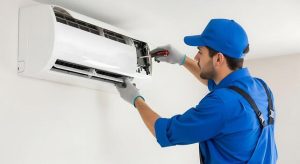
Scheduling Professional Maintenance
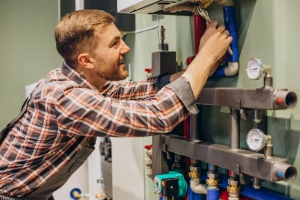
While homeowners can perform many maintenance tasks, professional inspections help ensure the entire system operates correctly.
Efficiency improving practices include:
- Maintaining clean air filters
- Ensuring clear airflow around vents
- Using programmable thermostat settings
- Keeping outdoor units unobstructed
- Scheduling professional system inspections
These steps help heating and cooling systems maintain consistent performance.
Schedule Reliable Service with North Bristol Cooling & Heating LTD
North Bristol Cooling & Heating LTD specializes in providing high end heating and cooling systems for domestic and commercial properties. Our team focuses on delivering dependable installation, servicing, and maintenance that supports long term system performance.
We take pride in ensuring the reliability and comfort of heating and cooling systems through year-round support. Our professional services help maintain the performance and dependability of HVAC equipment across different property types.
North Bristol Cooling & Heating LTD offers customized cooling and heating systems designed to meet the specific needs of each property. With a focus on installation, servicing, and ongoing maintenance, our expertise helps ensure homes and workplaces remain at the ideal temperature throughout the year.
Conclusion
Heating and cooling systems are essential for maintaining comfortable indoor environments throughout the year. Proper maintenance plays a critical role in ensuring these systems operate efficiently and reliably.
Following a practical HVAC maintenance checklist helps homeowners improve system performance, extend equipment lifespan, and maintain consistent indoor comfort. With regular care and professional servicing when needed, heating and cooling systems can continue to perform effectively for many years.
Frequently Asked Questions (FAQs)
Heating and cooling systems should generally be inspected at least once a year. Regular maintenance helps ensure the system operates efficiently and prevents potential performance issues.
An HVAC maintenance checklist usually includes inspecting air filters, cleaning vents, checking thermostat settings, inspecting outdoor units, and ensuring proper airflow throughout the property.
Yes, regular maintenance helps heating and cooling systems operate more efficiently by ensuring components remain clean and functional.
Homeowners can maintain systems by replacing air filters, keeping vents clear, checking thermostat settings, and ensuring outdoor units remain free of debris.
Common signs include reduced airflow, unusual noises, uneven indoor temperatures, increased energy usage, and systems running longer than usual.