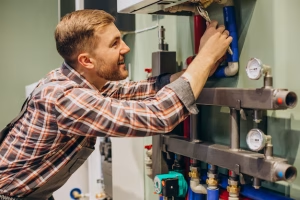

Modern homes demand comfort, reliability, and efficiency. One of the biggest upgrades Bristol homeowners can make to achieve that is switching from a traditional vented cylinder to an unvented hot water tank. This advanced system offers consistent water pressure, faster heating, and safer operation—all without needing a loft-mounted header tank. Whether you’re renovating, replacing an old cylinder, or building a new property, understanding how an unvented tank compares to a conventional one can help you make a smarter, long-term investment in your home’s comfort.
What Is an Unvented Hot Water Tank?
An unvented hot water tank is a sealed system that stores and heats water directly from the mains supply. Unlike vented systems, which rely on gravity from a cold-water tank in the loft, an unvented tank delivers mains pressure water straight to your taps and showers. Because it’s sealed, it also includes built-in safety components—like expansion vessels, pressure-relief valves, and thermostats—to regulate pressure and temperature safely.
These systems are typically made of stainless steel or other corrosion-resistant materials. They can be heated using either an immersion heater or a boiler. For Bristol homeowners with multiple bathrooms or busy households, the unvented system ensures that every tap receives the same steady flow of hot water, even when several outlets are used at once.
How Unvented Systems Differ from Conventional Hot Water Systems
The most noticeable difference between an unvented system and a conventional one lies in water pressure and storage design. A traditional vented system depends on a gravity-fed tank, which means the pressure is determined by the height of the header tank. The higher the tank, the stronger the flow—but this setup takes up valuable loft space and can lead to low pressure in upstairs bathrooms.
An unvented system eliminates the need for that cold-water tank altogether. Instead, it connects directly to the mains, maintaining consistent water pressure throughout the property. This design not only saves space but also reduces the chance of contamination because the water remains sealed from the atmosphere.
In addition, the system is quieter and less prone to airlocks or freezing pipes in the loft. For Bristol homes with limited attic access or modern designs without a loft, this advantage is significant.
Comparison Table: Unvented vs. Conventional Hot Water Systems
| Feature | Unvented Hot Water Tank | Conventional (Vented) System |
|---|---|---|
| Water Pressur | High, mains-fed pressure | Low to medium, gravity-fed |
| Space Requirement | Space Requirement | Requires loft tank |
| Water Quality | Clean, sealed from air | May contain debris or stagnation |
| Efficiency | Better heat retention and flow | Heat loss through pipework |
| Safety Features | Built-in expansion and pressure relief | Built-in expansion and pressure relief |
| Installation Cost | Slightly higher upfront | Slightly higher upfront |
| Maintenance | Low, annual safety check required | Occasional tank cleaning |
| Best For | Modern homes, multiple bathrooms | Older houses, single bathroom |
This comparison highlights why an unvented hot water tank is the preferred choice for newer Bristol properties and those undergoing energy-efficiency upgrades.
The Benefits of an Unvented Hot Water Tank
One of the main reasons homeowners choose unvented systems is consistent water pressure. Imagine running a shower upstairs while someone fills the kitchen sink—both will receive the same steady stream of hot water. The high-pressure performance makes it perfect for power showers, large baths, and homes with multiple outlets.
Energy efficiency is another major advantage. Unvented tanks are better insulated and lose less heat than traditional cylinders, which means lower energy consumption and quicker reheating times. They also remove the need for gravity-fed pipework, reducing potential heat loss between the tank and your taps. The design is also more space-efficient. Without the bulky cold-water storage tank in the loft, homeowners gain extra storage space and reduce the risk of frozen pipes during winter. Because the system is sealed, the water supply remains cleaner and fresher, as it isn’t exposed to dust or debris from the attic.
Safety and Reliability
Safety is central to unvented technology. Every tank comes equipped with temperature and pressure controls to prevent overheating or excess pressure build-up. If the pressure rises beyond a safe limit, a relief valve releases the excess automatically. Modern systems also use an expansion vessel that absorbs natural pressure changes as water heats and cools, protecting your pipes and fixtures.
Under UK Building Regulations G3, only qualified and certified engineers are permitted to install or service these systems. This ensures compliance with national safety standards. At North Bristol Heating & Cooling, our engineers hold the necessary G3 certification, ensuring every installation meets the highest level of safety and performance.
Installation Process and What to Expect
If you’re searching for hot water tank installation near me, the process usually begins with a site survey. A qualified engineer will assess your existing plumbing, check your mains water pressure, and recommend the right tank size for your household needs. Most installations take one working day, though replacing an old vented system may take slightly longer if new pipework is required.
During installation, the old cylinder and cold-water tank are removed, freeing up space in your loft. The unvented hot water tank is then connected to the mains supply and integrated with your boiler or electric immersion system. After installation, your engineer will perform pressure tests and safety checks to ensure optimal performance. Although the upfront cost is slightly higher than a traditional system, the high-pressure tank benefits—improved efficiency, water pressure, and long-term reliability—make it a worthwhile investment. Over time, homeowners typically recover the difference through lower energy bills and reduced maintenance. For more information about installation services, visit our Boiler Installation page or Heating Services section.
Maintenance and Longevity
An unvented hot water system requires very little maintenance once installed, but an annual inspection by a G3-qualified engineer is recommended. During this check, safety valves, thermostats, and expansion vessels are tested to ensure proper function. Regular servicing not only maintains safety but also extends the lifespan of the system.
Most high-quality stainless-steel cylinders come with warranties ranging from 10 to 25 years. With proper maintenance, many last even longer. If a fault ever develops, components are easy to access and replace without disturbing the rest of your plumbing system. For continued peace of mind, our team offers routine servicing and maintenance plans tailored to Bristol homeowners. You can learn more on our Servicing page.
Unvented Hot Water Systems in Bristol Homes
Bristol has a diverse range of properties—from period terraces to modern apartments—and unvented systems suit both perfectly. In older homes where pressure problems are common, switching to an unvented hot water tank can instantly transform water flow. For newer properties designed without lofts, it’s the natural choice.
Because Bristol’s water supply comes directly from the mains, the consistent pressure makes unvented systems perform exceptionally well here. That means stronger showers, faster bath filling, and a more efficient hot water supply for families and professionals alike.
Environmental and Efficiency Considerations
Energy efficiency and sustainability are priorities for modern homeowners. Unvented systems complement renewable technologies like solar thermal panels and heat pumps. They store energy-efficient hot water for longer periods and integrate easily with existing central heating systems.
By reducing energy waste and eliminating unnecessary water storage in the loft, they contribute to lower carbon emissions and smaller household energy bills. For eco-conscious Bristol residents, an unvented hot water tank is a future-ready solution that aligns with the city’s growing environmental goals.
Frequently Asked Questions
An unvented hot water tank is a sealed cylinder that stores and heats water from the mains, delivering strong, consistent pressure to all outlets in your home.
Yes. It’s fitted with multiple safety mechanisms—such as pressure-relief valves and thermostats—and must be installed by a certified G3 engineer.
Most installations take about one day. More complex replacements may require additional time if old pipework needs updating.
High-pressure tanks deliver excellent flow rates, allow simultaneous use of multiple taps, and provide faster filling times for baths and showers.
Absolutely. North Bristol Heating & Cooling offers local installation and maintenance services throughout Bristol and the surrounding areas.
Conclusion
Switching to an unvented hot water tank is one of the smartest upgrades Bristol homeowners can make for comfort, performance, and safety. These systems offer reliable high-pressure hot water, improved efficiency, and better hygiene compared to conventional systems. While the initial investment is higher, the long-term benefits—reduced maintenance, lower energy bills, and enhanced daily comfort—make it an excellent choice for modern living. If you’re planning a home renovation or simply tired of weak showers, contact North Bristol Heating & Cooling today. Our G3-certified engineers will help you choose and install the perfect unvented hot water system for your home.