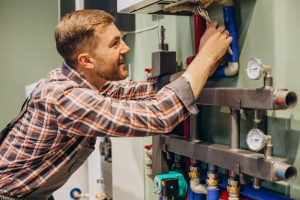

A hybrid HVAC system is becoming the go-to choice for modern homeowners who demand heating and cooling solutions that are not only efficient but also resilient, future-proofed, and comfortable. A well-designed hybrid HVAC setup offers precisely that: by combining a heat pump with gas central heating, you get the best of both worlds—high efficiency during mild weather and reliable backup in colder spells. For homeowners in Bristol seeking a smart upgrade to their current setup of heating and cooling systems, this solution offers a compelling route to improved performance and lower energy costs.
What Is a Hybrid HVAC System?
A hybrid HVAC system integrates two distinct heating technologies into one unified solution. Typically, it pairs an air-source (or sometimes ground-source) heat pump with a traditional gas central heating boiler. The system uses the heat pump when outside temperatures are moderate and the unit runs most efficiently. When temperatures fall, or when heating demand rises sharply, the gas boiler steps in as backup heating. The control system monitors conditions and automatically directs which source to use at any given time.
This hybrid approach means you’re not reliant solely on one technology. On mild days your heat pump handles the load amenably; when winter bites, your boiler guarantees warmth. This combination strengthens resilience and improves overall efficiency—key factors when considering HVAC installation and long-term performance.
Why Choose Hybrid Integration in Bristol Homes?
In Bristol, with its mix of older houses and newer builds, hybrid HVAC suits many scenarios. Energy costs are only rising, and regulatory pressure is mounting to reduce fossil fuel consumption and carbon emissions. A hybrid system addresses both: you benefit from the electric heat pump when it’s most efficient, yet retain the gas boiler for times when electricity is less optimal or you need immediate warmth.
By upgrading your heating and cooling systems to hybrid, you also boost your home’s comfort levels. For example, the system can deliver stable temperatures across all rooms without sudden fluctuations. Moreover, because the boiler is used less frequently, it may enjoy a longer service life and lower maintenance requirement. Evidence from UK sources suggests that hybrid systems reduce gas usage significantly and improve energy efficiency.
How Hybrid Systems Work – Key Components & Operation
The core components of a hybrid HVAC system are the heat pump unit, the gas boiler, the pipework/radiator system (or underfloor heating), and the intelligent control system (thermostats and sensors). Here’s how it functions:
- Heat Pump Mode: When the external temperature is above a preset threshold, the heat pump operates. It extracts heat from ambient air and delivers it via radiators or underfloor pipes. Because it uses electricity to move heat, rather than burning fuel, it achieves very high efficiency — up to three‐ or four‐times as much heat energy for each unit of electricity used.
- Gas Boiler Mode (Backup Heating): Once the outside temperature drops below a set point, or if the heat pump cannot meet the demand (for example during a cold snap or high hot water demand), the gas boiler kicks in. This ensures heat is still delivered efficiently and reliably.
- Automatic Switching & Controls: A smart system monitors outside temperature, internal demand, and potentially energy tariffs. If electricity is cheap and conditions favourable, the heat pump takes the lead; if not, the boiler takes over. This seamless switching creates redundancy and ensures consistent performance.
Benefits of Hybrid HVAC Systems
The advantages of hybrid HVAC systems for Bristol homeowners include:
- Increased Efficiency & Reduced Energy Cost: Because the heat pump tackles most of the heating load under favourable conditions, you burn less gas and pay lower bills. Reports suggest energy consumption reductions of 30-50% compared to gas-only systems.
- Reliability & Redundancy (Backup Heating): If one component fails or needs maintenance, the other can carry on. This dual-source approach means you’re less likely to be left without heat—a comforting thought during winter.
- Improved Comfort Across Your Home: Hybrid systems can more effectively maintain even temperatures and better respond to changing weather, giving smoother performance than a boiler alone.
- Future-proofing Your Home: As regulations push toward lower-carbon heating systems, adopting a hybrid setup now gives you a stepping-stone path. You reduce reliance on fossil fuels and make your home more adaptable to future upgrades.
- Environmental Benefits: Hybrid systems lower CO₂ emissions by reducing fossil fuel usage. A study found that homes with hybrids saw significant reductions in gas consumption and emissions compared to traditional setups.
Considerations and Installation Insights
While hybrid HVAC systems offer many benefits, it’s important to understand what’s involved before proceeding:
First, “HVAC installation” for a hybrid system is more complex than a simple boiler replacement. You must consider space for the heat pump outdoor unit, compatibility with existing radiators or pipework (in older homes these may need upgrading), and the smart controls needed for efficient switching. Third, the success of your heating and cooling systems depends heavily on the home’s insulation and existing infrastructure. A well-insulated building will get far more from a hybrid system than a poorly insulated one.
Hybrid HVAC Systems in Practice – Bristol Homes Case
In Bristol, properties vary widely—from Victorian terraces to modern apartments. A hybrid HVAC system offers flexibility to suit different configurations. For a heritage home with existing radiators, the hybrid can integrate with minimal disruption, using the boiler more in extremes and relying on the heat pump the rest of the time. For newer builds, the heat pump may handle most of the load, with the boiler reserved for backup.
Because many Bristol homes already have gas central heating, switching to a hybrid system can often reuse existing equipment and pipework, reducing cost and disruption. At North Bristol Heating & Cooling we specialise in retrofitting these systems, providing full assessment and installation of combined heat pump + boiler setups.
Cost, Energy Efficiency & Environmental Impact
When comparing heating and cooling systems, one of the key considerations is energy cost. Hybrid HVAC systems deliver savings by reducing gas consumption and leveraging the high efficiency of heat pumps. For example, a dual-fuel system may reduce ongoing fuel costs by 25% or more by allowing the heat pump to take over the bulk of the load.
From an environmental perspective, the integration of a heat pump lowers fossil fuel use and CO₂ emissions. Studies in the UK show that hybrid systems allow homes to reduce gas usage significantly and improve their Energy Performance Certificates (EPCs) by enhancing overall efficiency.
Choosing the Right Hybrid HVAC Installer
Selecting the right installer for a hybrid HVAC system is crucial to ensure you get the benefits and efficiency you expect. Look for engineers with expertise in both heat pumps and boilers, accreditation in heating and cooling systems, and experience with hybrid installations. We recommend verifying warranties, service plans, and how maintenance will be managed for both the heat pump and boiler components.
At North Bristol Heating & Cooling, we provide comprehensive assessments, transparent costing for HVAC installation, and full servicing options to maintain hybrid system efficiency over time.
Conclusion
For Bristol homeowners aiming for high efficiency, reliability, and future-proof heating and cooling solutions, a hybrid HVAC system is a smart investment. By combining heat pumps and gas central heating into one seamless solution, you enjoy the best of both worlds: lower energy cost, robust backup heating, and improved comfort.
If you’re ready to explore hybrid HVAC installations, contact North Bristol Heating & Cooling today. Our team will assess your property, advise on the best configuration, and deliver a full installation tailored to your needs.
Frequently Asked Questions
A hybrid HVAC system combines a heat pump and a gas boiler, using the heat pump for efficient heating when conditions permit and the boiler for backup when needed.
Energy savings vary, but some homes see reductions of 25–50% compared to gas-only heating, thanks to the heat pump handling much of the load.
Yes. The gas boiler acts as backup heating so your home remains warm even when the heat pump is less efficient (in extreme cold, for example).
It’s manageable, but older homes may need radiators or pipework upgraded and insulation improved to get full benefits. Installer experience is key.
Installation time depends on the scope, existing system and any upgrades needed. For many homes, the process can take a few days. A detailed site survey will provide an accurate timeline.