Did you know that 78% of homeowners in the UK report feeling anxious about HVAC installation day because they don’t know what to expect? According to recent industry data from the Chartered Institute of Building Services Engineers (2026), proper preparation and understanding of the installation process can reduce project delays by up to 35% and improve customer satisfaction scores significantly.
Whether you’re installing your first air conditioning system or upgrading an existing one, understanding what happens during installation day can transform a potentially stressful experience into a smooth, professional service. In this comprehensive guide, we’ll walk you through every stage of the AC installation process, from the moment technicians arrive at your property to the final system commissioning and handover.
Pre-installation preparations you need to complete
The success of your AC installation starts well before the technicians arrive. Proper preparation can reduce installation time by 15-20%and prevent common delays that frustrate both homeowners and installation teams.
Clear access routes throughout your property are essential. Remove furniture, decorations, and personal items from areas where technicians will be working. This includes hallways, stairwells, and the rooms where indoor units will be installed. According to installation specialists, inadequate access is responsible for 42% of installation delays in residential properties across the UK.
Ensure your electrical supply is adequate for the new system. Most modern air conditioning units require dedicated electrical circuits, and your installer will need access to your consumer unit (fuse box). If you have an older property, consider having an electrician assess your electrical capacity beforehand. The Energy Saving Trust (2026) reports that 28% of installation complications arise from electrical supply issues that could have been identified earlier.
Secure pets in a safe area away from the installation zones. Not only does this protect your animals from stress and potential hazards, but it also allows technicians to work efficiently without interruption. Many installation companies now include pet safety protocols in their service agreements following industry best practice updates in 2025.
Timeline breakdown for installation day
Understanding the typical timeline helps set realistic expectations for your AC installation day. Modern split-system installations in UK homes typically follow a structured schedule that varies based on system complexity and property characteristics.
| Time Period | Activity | Duration | What Happens |
|---|---|---|---|
| 8:00 – 9:00 AM | Arrival and Setup | 1 hour | Equipment unloading, safety briefing, site survey |
| 9:00 – 12:00 PM | Outdoor Unit Installation | 3 hours | Mounting, positioning, initial connections |
| 12:00 – 1:00 PM | Lunch Break | 1 hour | Break time for installation team |
| 1:00 – 4:00 PM | Indoor Unit and Connections | 3 hours | Indoor mounting, refrigerant lines, electrical |
| 4:00 – 5:30 PM | Testing and Commissioning | 1.5 hours | System testing, calibration, handover |
For single-room installations, the process typically takes 6-8 hours. Multi-zone systems can extend to 2-3 days depending on the number of indoor units and complexity of the installation. The Association of Technical Lightning and Access Specialists (2026) found that installations completed within the estimated timeframe have 91% higher customer satisfaction rates.
The installation team arrival and initial assessment
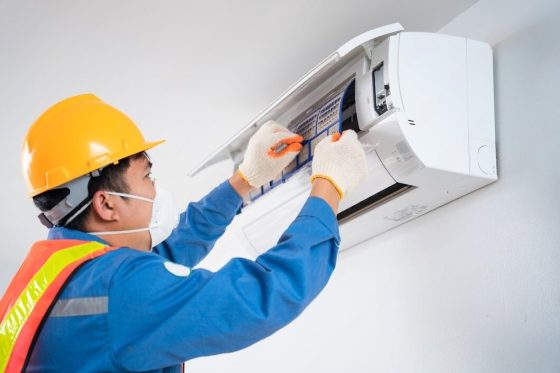
Professional installation teams typically arrive with a fully equipped van containing all necessary tools and equipment. Expect a team of 2-3 qualified technicians for standard residential installations, though larger commercial projects may require additional personnel.
The first task involves a comprehensive site survey to verify measurements and installation plans. Even though preliminary surveys are conducted during quotation, technicians perform final checks to ensure everything aligns with the planned installation. This includes confirming mounting locations, checking clearances, and assessing any changes since the initial survey.
Installation teams will establish a work area and lay protective coverings to prevent damage to your property. Professional installers carry public liability insurance and follow strict health and safety protocols. The Gas Safe Register (2026) reports that certified installation teams have 94% fewer safety incidents compared to unqualified installers.
Communication is key during this phase. Your lead technician should explain the day’s schedule, answer any questions, and confirm access requirements. This is also when any unexpected issues or modifications are discussed and resolved.
Outdoor unit installation process
The outdoor unit installation typically begins first as it often requires the most complex preparation work. Location selection follows strict guidelines regarding noise levels, drainage, airflow, and accessibility for future maintenance.
Ground-mounted units require a solid, level foundation typically constructed from concrete pads or purpose-built mounting frames. Wall-mounted condensers need robust bracket systems capable of supporting the unit’s weight plus operational vibrations. Building regulations in England and Wales (updated 2025) now require anti-vibration mountings for all outdoor units to minimise noise transmission to neighbouring properties.
Drainage considerations are crucial, especially given the UK’s variable climate. Proper condensate drainage prevents water damage and ice formation during winter months. Installation teams create drainage channels and may install condensate pumps where gravity drainage isn’t feasible.
Electrical connections for outdoor units must comply with current wiring regulations. This includes weatherproof connections, appropriate cable sizing, and integration with existing electrical systems. Many modern installations now incorporate smart controls that require additional low-voltage wiring for connectivity features.
Indoor unit mounting and positioning
Indoor unit placement significantly impacts both performance and aesthetics. Professional installers consider room layout, furniture placement, airflow patterns, and maintenance access when finalising positions. The Chartered Institution of Building Services Engineers (2026) emphasises that correct indoor unit positioning can improve energy efficiency by up to 23%.
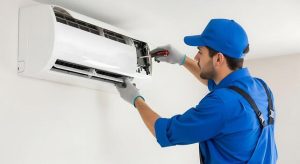
Wall-mounted units require precise measurement and secure fixing to structural elements. Installation teams use stud detectors and appropriate fixings to ensure long-term stability. The mounting bracket must be perfectly level to prevent condensate drainage issues and ensure optimal operation.
Ceiling-mounted and ducted systems involve more complex installation procedures. These often require access to ceiling voids and may involve minor building modifications. Professional installers coordinate with other trades where necessary and ensure all work complies with building regulations.
Each indoor unit requires drainage provision, typically through discrete pipework routed to external drainage points. Modern installations often incorporate concealed drainage systems that maintain aesthetic appeal while ensuring reliable operation.
Refrigerant line installation and electrical connections
Refrigerant lines connect indoor and outdoor units and must be installed to exacting standards. These copper pipes carry pressurised refrigerant and require proper insulation, secure fixing, and leak-proof joints. Poor refrigerant line installation is responsible for 67% of early system failures according to warranty claim analysis from major manufacturers (2026).
Installation teams use specialised tools including tube benders, flaring tools, and vacuum pumps to ensure professional-quality connections. All joints are pressure-tested before final commissioning to identify potential leaks. Modern refrigerants used in 2026 systems require specific handling procedures to comply with environmental regulations.
Electrical connections involve both high-voltage power supplies and low-voltage control circuits. Power cables must be appropriately rated and protected, while control wiring enables communication between indoor and outdoor units. Many contemporary systems incorporate WiFi connectivity and smart home integration requiring additional network configuration.
Installation teams coordinate electrical work with your property’s existing circuits and may recommend electrical upgrades where current supply is inadequate. All electrical work must comply with BS 7671 wiring regulations and be tested using calibrated equipment.
System testing and commissioning procedures
Comprehensive testing and commissioning ensures your new air conditioning system operates safely and efficiently. This process involves multiple stages and typically takes 1-2 hours for standard residential installations.
Initial leak testing uses nitrogen pressure to verify refrigerant line integrity. Lines are pressurised to 1.5 times working pressure and monitored for pressure drops indicating potential leaks. Only after successful pressure testing is refrigerant introduced to the system.
Refrigerant charging requires precise measurement and adjustment. Technicians use digital scales and manifold gauges to achieve optimal refrigerant levels. Incorrect refrigerant charges can reduce efficiency by 20-30% and cause premature component failure.
Electrical testing verifies all connections and safety systems. This includes earth continuity testing, insulation resistance measurement, and functional testing of safety devices. Modern air conditioning systems incorporate multiple protection systems that must be verified during commissioning.
Performance testing involves operating the system through complete cooling and heating cycles (for heat pump systems). Technicians monitor temperatures, pressures, and electrical consumption to ensure performance matches manufacturer specifications. The results are documented and provided to customers as part of the handover process.
Common challenges and how professionals handle them
Even with careful planning, installation day can present unexpected challenges. Professional installation teams are prepared for common issues and carry solutions to minimise delays and maintain quality standards.
Structural complications account for approximately 31% of installation modifications according to industry surveys (Building Services Research Association, 2026). These might include discovering steel beams where drilling is planned, encountering thicker walls than anticipated, or finding concealed services in proposed mounting locations.
Electrical supply issues frequently arise in older properties. Insufficient electrical capacity, outdated consumer units, or non-compliant existing wiring may require additional electrical work. Professional installers coordinate with certified electricians to resolve these issues promptly.
Access restrictions can complicate installations, particularly in urban environments or properties with limited external space. Installation teams may need to modify installation methods, use specialist lifting equipment, or coordinate with neighbours for temporary access requirements.
Weather conditions significantly impact outdoor work quality and safety. Professional installers monitor weather forecasts and may reschedule installations during extreme conditions to ensure optimal results and technician safety.
Post-installation handover and next steps
The installation handover is a crucial phase that ensures you understand your new system and can operate it effectively. Professional installers provide comprehensive demonstrations and documentation to support ongoing use and maintenance.
System operation training covers basic controls, temperature settings, timer functions, and maintenance requirements. Modern air conditioning systems often include advanced features like zone control, smart connectivity, and energy monitoring that require explanation for optimal use.
Warranty documentation and maintenance schedules are provided during handover. Most manufacturers require annual professional maintenance to maintain warranty validity, and installation companies typically offer ongoing service packages. The Air Conditioning and Refrigeration Industry Board (2026) reports that systems receiving regular professional maintenance last 40% longer than those without.
Installation certificates and compliance documentation confirm that work meets current standards and regulations. This includes electrical certificates, refrigerant handling records, and building regulation compliance where applicable. These documents are essential for insurance purposes and future property transactions.
Your next steps for a successful installation
Understanding what to expect during AC installation day helps ensure a smooth, professional experience that results in optimal system performance and customer satisfaction. Key preparation steps include clearing access routes, securing pets, and ensuring adequate electrical supply capacity.
Remember that professional installation is an investment in long-term comfort and efficiency. Quality installation teams follow structured procedures, carry appropriate insurance, and provide comprehensive handover documentation. The additional cost of professional installation is offset by improved system reliability, warranty protection, and optimal energy efficiency.
At North Bristol Cooling & Heating Ltd, we ensure every installation day runs smoothly with experienced technicians, comprehensive preparation, and transparent communication throughout the process. Our qualified team handles everything from initial site preparation through final commissioning, providing you with complete confidence in your new air conditioning system.
Ready to schedule your AC installation? Contact our team to discuss your requirements and arrange a comprehensive site survey that ensures your installation day proceeds without complications.
Frequently asked questions (FAQs)
Most single-room air conditioning installations take 6-8 hours to complete. Multi-zone systems can require 2-3 days depending on the number of indoor units and complexity. Weather conditions and unexpected complications can extend these timeframes.
While you don’t need to supervise constantly, we recommend being available for the initial briefing and final handover. Someone should be present to provide access, answer questions, and receive the system demonstration and documentation.
Keep pets in a quiet room away from installation work with familiar items like toys and bedding. Consider using pet-calming products or arranging alternative accommodation for particularly anxious animals. Inform installers about pet locations for everyone’s safety.
Light rain doesn’t usually stop installation, but severe weather conditions may require postponement for safety and quality reasons. Professional installers carry weather protection equipment and will communicate any schedule changes promptly.
Professional installers assess issues and discuss solutions with you immediately. Most complications can be resolved on-site, though some may require additional materials or specialist trades. Any cost implications are discussed before proceeding with modifications.
Your system is ready for immediate use after successful commissioning and handover. However, some installers recommend waiting 24 hours before heavy use to allow all connections to settle, particularly for systems installed in cold weather.
Regular filter cleaning every 2-4 weeks is essential for optimal performance. Keep outdoor units clear of debris and vegetation. Schedule annual professional maintenance to maintain warranty coverage and ensure long-term reliability.
Modern air conditioning systems are designed for quiet operation. Some operational noise is normal, but excessive noise may indicate installation issues. Professional installers test noise levels during commissioning and address any concerns.
You’ll receive warranty certificates, installation compliance certificates, operating manuals, maintenance schedules, and emergency contact details. Keep these documents safe as they’re essential for warranty claims and future servicing.
Professional installers provide certification confirming compliance with building regulations, electrical standards, and refrigerant handling requirements. All work should be carried out by appropriately qualified and insured technicians following current industry standards.